A First Week Back to Recreational Sport
A first week back to recreational sport can feel clearer with a familiar activity, a sensible starting point and room to notice what you enjoy.
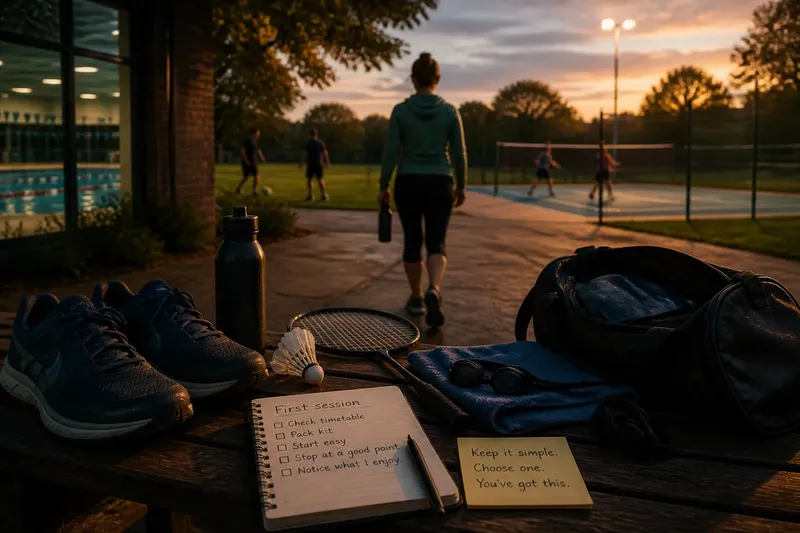
You lace your trainers at the park gate, then hesitate over whether to jog, walk or try the small football practice you used to enjoy. A first week back to recreational sport is easier to shape when you choose an activity that fits how you feel now, rather than trying to pick up where you left off.
How do you choose a first activity?
A break can make an old routine feel like unfinished business: a route you once ran, a swim session you stopped attending, or skills you hoped to build. Treat those as options, not obligations. The best starting point is an activity you can begin without elaborate preparation and stop at a natural point.
Consider the setting and the kind of effort involved. A familiar park loop, a relaxed swim at your local pool or gentle ball practice in an open space may each offer a different balance of movement, coordination and social contact.
Say you used to play badminton and have not been on court for some time. You choose a casual session with a friend, pack your racket and water bottle, and agree to begin with easy rallies; if your timing feels rusty, you can keep the exchange gentle rather than turn it into a match.
Write down the activity and the first action, such as checking the pool timetable or laying out walking shoes. Keep other possibilities on a short later list, so choosing one does not feel like a permanent decision.
How can you make the first session manageable?
Begin with a familiar movement or format before adding intensity, competition or a new technique. In a walk, that might mean taking a known route at a comfortable pace; in a team sport, it could mean joining a relaxed skills session rather than a competitive fixture.
Make the practical setup straightforward. Check that you have suitable footwear and any equipment the activity requires, and choose a place where you can pause or leave easily. This reduces avoidable obstacles without turning preparation into a project of its own.
Pay attention to how your body responds during and after the activity. If you feel pain, dizziness or unusual shortness of breath, stop and seek appropriate medical advice; people with relevant health concerns can ask a qualified health professional what activity is suitable for them.
What makes a return plan too ambitious?
A plan may ask too much if it depends on a string of preparations, an unfamiliar venue, or a demanding session before you know how the activity feels now. Scale back the format, not necessarily the interest: a shorter walk, relaxed drills or a non-competitive session can preserve the part that appeals.
- Check whether the venue is open and accessible; if it is, keep it as an option, but if it is not, choose a familiar alternative such as a local park.
- Check whether you have the basic equipment the activity calls for; if you do, pack it, but if not, borrow suitable kit or choose an activity that needs less gear.
- Check whether you can name a simple first action; if you can, use it to begin, but if you cannot, ask the organiser or choose a more familiar format.
- Check whether the session has a natural pause or stopping point; if it does, use that boundary, but if it does not, agree a stopping point before you start.
- Check whether the activity includes competition or pressure you do not want yet; if it does, ask about a relaxed session, but if that is unavailable, practise informally instead.
- Check whether you can leave the session feeling in control of the effort; if you can, proceed at a comfortable pace, but if not, shorten the activity or seek suitable professional advice where health concerns apply.
For example, imagine you are returning to swimming and the pool offers both lane swimming and a coached session. You check the timetable, find that lane swimming is available, pack your usual swimwear and decide to stop after a comfortable first spell in the water. If the pool feels busy when you arrive, you can choose a quieter time instead; the trade-off is delaying the session in exchange for a setting that feels more manageable.
How can you tell what you enjoy?
Notice which parts hold your attention: the rhythm of running, the tactical choices in a game, the feel of moving through water, or the company of a group. Also notice friction, such as travel or a format that feels too competitive. Those observations help you adjust the activity without treating one session as a verdict on your ability.
Change one feature at a time. If a group run feels too fast, try a social walking group or a solo route before deciding that running is not for you. If a solo swim feels dull but you enjoy coaching, ask whether the pool offers a suitable class.
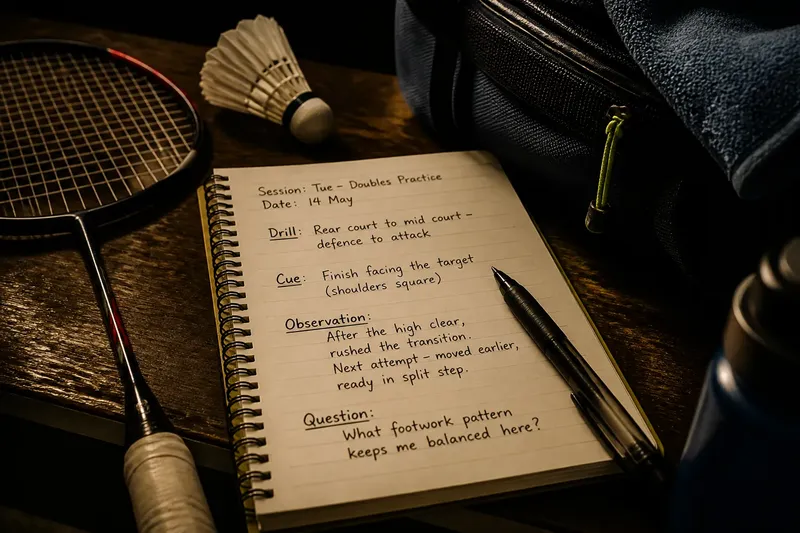
Keep a brief note after the session, such as “liked the route, not the pace” or “enjoyed drills more than the game”. A clear observation is more useful than grading the session as a success or failure.
What questions come up when returning to sport?
Should you return to the same sport?
Only if it still appeals. You can resume a familiar sport in a gentler format, adapt it to your current interests or choose something else without dismissing the enjoyment you once found in it.
How much should you plan for the first week?
Plan the activity, the practical arrangements and a comfortable stopping point. Leave the next choice open until you have noticed how the first session feels.
What if your skills feel rusty?
Start with familiar, low-pressure movements and allow time to adjust. If the activity remains interesting, you can decide later whether to practise a particular skill or seek instruction.
When should you change the activity?
If the format repeatedly feels wrong, alter one feature such as pace, setting or company before abandoning the sport. If a different activity sounds more inviting, trying it is a reasonable next choice.
How can you carry the useful parts into next week?
Look back at what you actually did and which part you would choose again. If the venue, pace or social format made the session harder, adjust that feature; if you enjoyed the activity, keep the next plan similarly straightforward.
Leave a practical reminder for yourself, such as putting your trainers by the door or saving the pool timetable. A first week back to recreational sport is useful when it helps you identify a next activity that feels both inviting and appropriate for you.